Seasonal fishing presents unique challenges and opportunities. Understanding fish behavior is essential for success.
A fish finder can be an invaluable tool, enhancing the angler's ability to locate target species throughout the year. Each season requires specific strategies to optimize catch rates.
By fine-tuning techniques and settings, anglers can better adapt to changing conditions. The following sections will explore targeted approaches for each season, revealing insights that could transform fishing experiences.
During summer, fish tend to seek cooler depths or shaded areas to escape heat, requiring anglers to adjust their techniques accordingly. As autumn approaches, fish prepare for winter, often feeding aggressively to build reserves.
This shift phase can yield fruitful fishing opportunities. In winter, fish metabolism slows, and they become less active, often congregating in deeper waters.
Understanding these seasonal behaviors allows anglers to strategically plan their fishing trips, enhancing the likelihood of a successful catch while adapting to the unique challenges posed by each season.
Maximizing the effectiveness of a fish finder can greatly enhance an angler's success on the water. To achieve this, it is vital to familiarize oneself with the device's settings and features. Adjusting the sensitivity and range can help in obtaining clearer images of underwater structures and fish. Utilizing the down imaging and side imaging functions allows for a more thorough understanding of the fishing environment.
Moreover, understanding the sonar readings is essential. Fish finders often display fish symbols; however, discerning the depth and size of fish requires attention to detail. Regularly noting water temperature and depth can also aid in identifying ideal fishing spots.
Lastly, consistent practice will improve an angler's ability to interpret the data effectively. Combining these techniques with knowledge of seasonal fish behavior will lead to more productive fishing trips, making the fish finder an invaluable tool in an angler's arsenal.
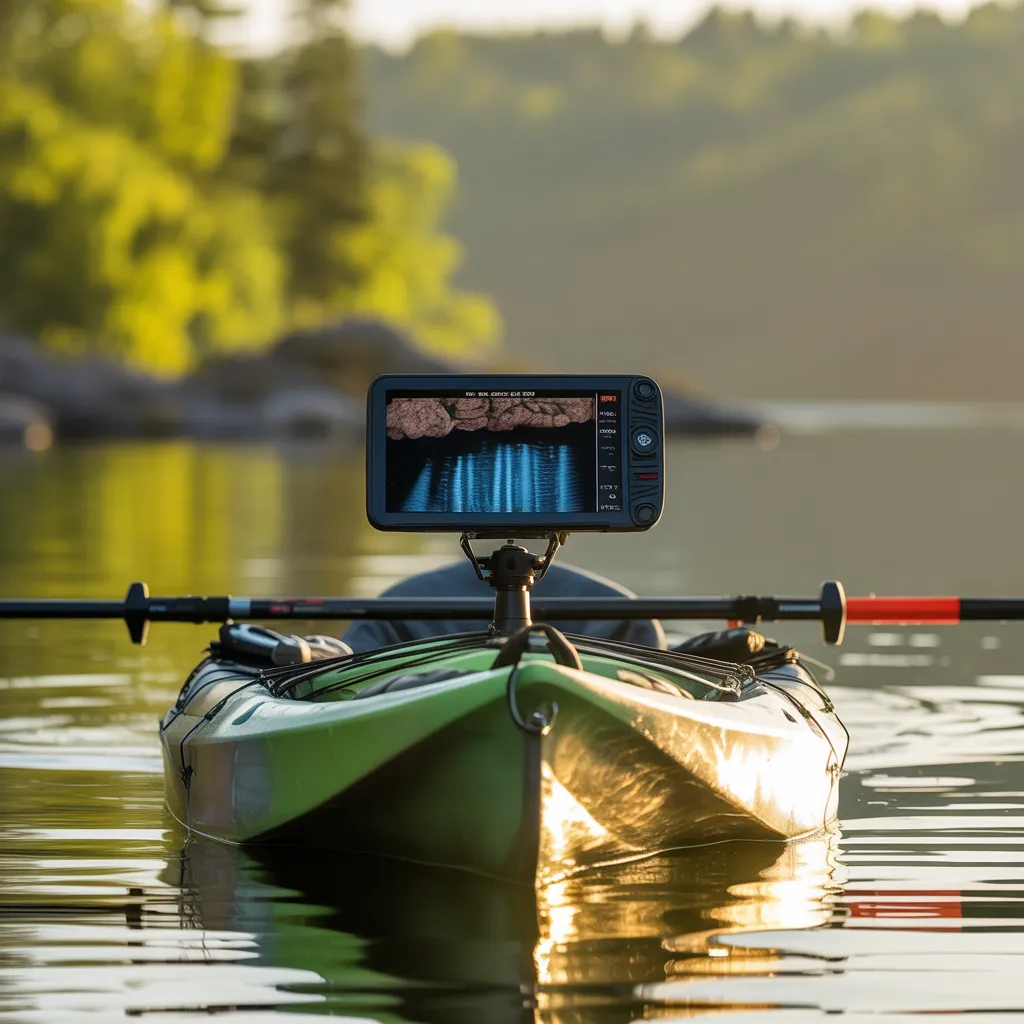
The ideal water temperature range for targeting spawning bass and trout in spring typically falls between 55°F and 68°F. During this period, fish become more active as they prepare to spawn, making them easier to locate.
Bass often move into shallower waters, seeking warmer temperatures, while trout may be found in areas where the water is slightly cooler yet still within this range. Anglers should monitor temperature changes, as even a few degrees can greatly impact fish behavior.
Utilizing a fish finder can help identify these ideal conditions by displaying temperature gradients. By focusing on this temperature range, anglers increase their chances of a successful catch, capitalizing on the heightened activity of spawning fish.
Identifying key habitat areas is essential for anglers aiming to target spawning bass and trout effectively in the spring. During this season, both species seek shallow waters, particularly around structures such as submerged rocks, fallen trees, and vegetation.
These locations provide necessary shelter and breeding grounds. Anglers should utilize their fish finders to pinpoint these habitats, looking for temperature changes and underwater structures that attract fish. Additionally, areas with sandy or gravel bottoms are often preferred for spawning.
Observing water clarity and current can also guide anglers to ideal spots. By focusing on these critical habitats, anglers increase their chances of successful catches during the spring spawning season.
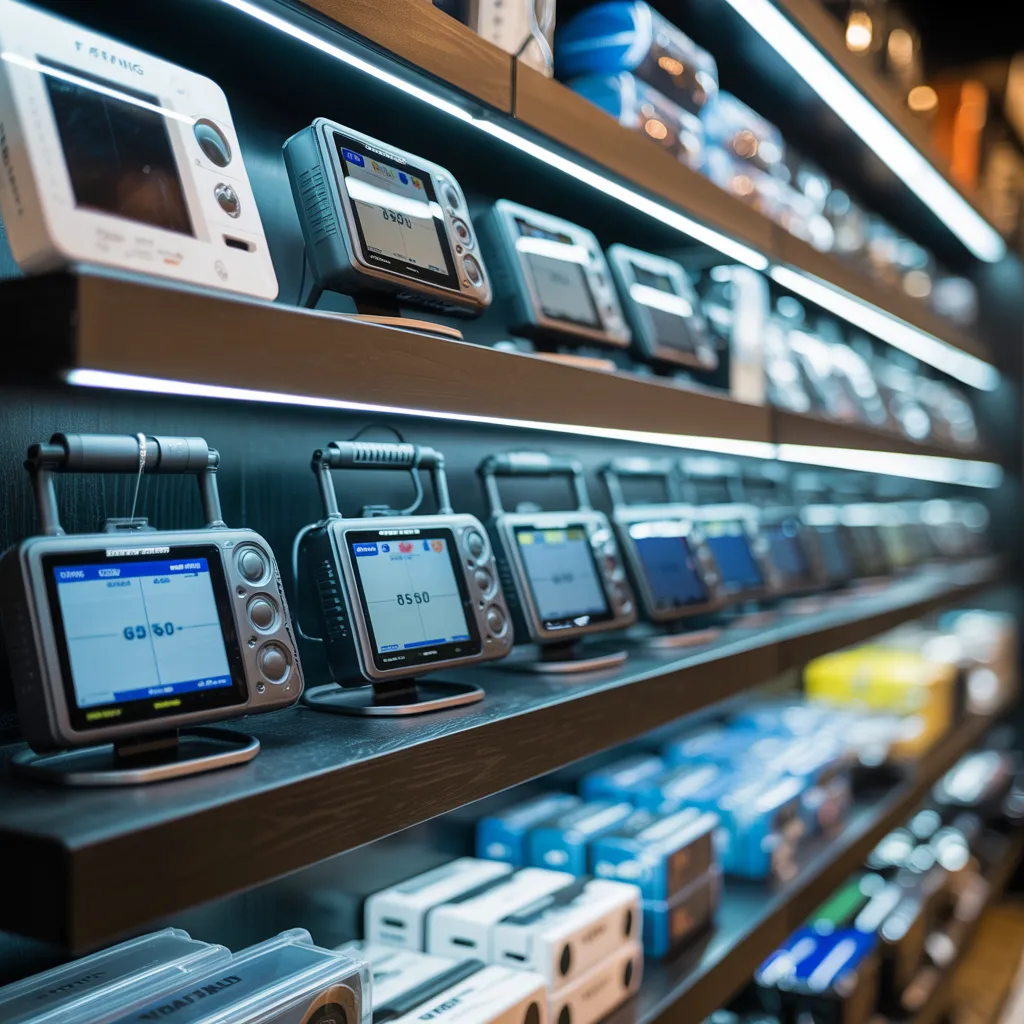
Choosing the right bait greatly enhances the chances of catching spawning bass and trout in spring. Anglers often find success using live bait such as minnows or worms, as these mimic the natural food sources in shallow waters. For bass, crankbaits and spinnerbaits in vibrant colors can attract attention during this active feeding period.
Meanwhile, trout may respond well to small jigs or flies resembling insects, particularly during their spawning phase. Additionally, scents added to artificial lures can entice fish that are more cautious.
Understanding the preferences of bass and trout during spring will guide anglers in selecting effective bait, ultimately improving their success on the water. Leveraging this knowledge can lead to a fruitful fishing experience.
During summer months, anglers often find themselves adapting their strategies to locate fish in warmer waters. As temperatures rise, fish tend to seek cooler, deeper areas or structures such as submerged rocks, vegetation, and ledges. Utilizing a fish finder effectively can greatly enhance an angler's ability to pinpoint these locations.
Anglers should focus on areas where cooler water currents flow, as fish are likely to follow these gradients. Adjusting the sensitivity settings on the fish finder can help detect fish more accurately, especially in bright sunlight conditions that may cloud visibility.
In addition, early mornings or late evenings are prime times for fishing, as fish are more active during these cooler periods. Anglers may also consider using lighter tackle and more enticing baits, such as topwater lures, to attract fish in warmer waters. By leveraging these strategies, anglers can increase their chances of a successful summer fishing experience.
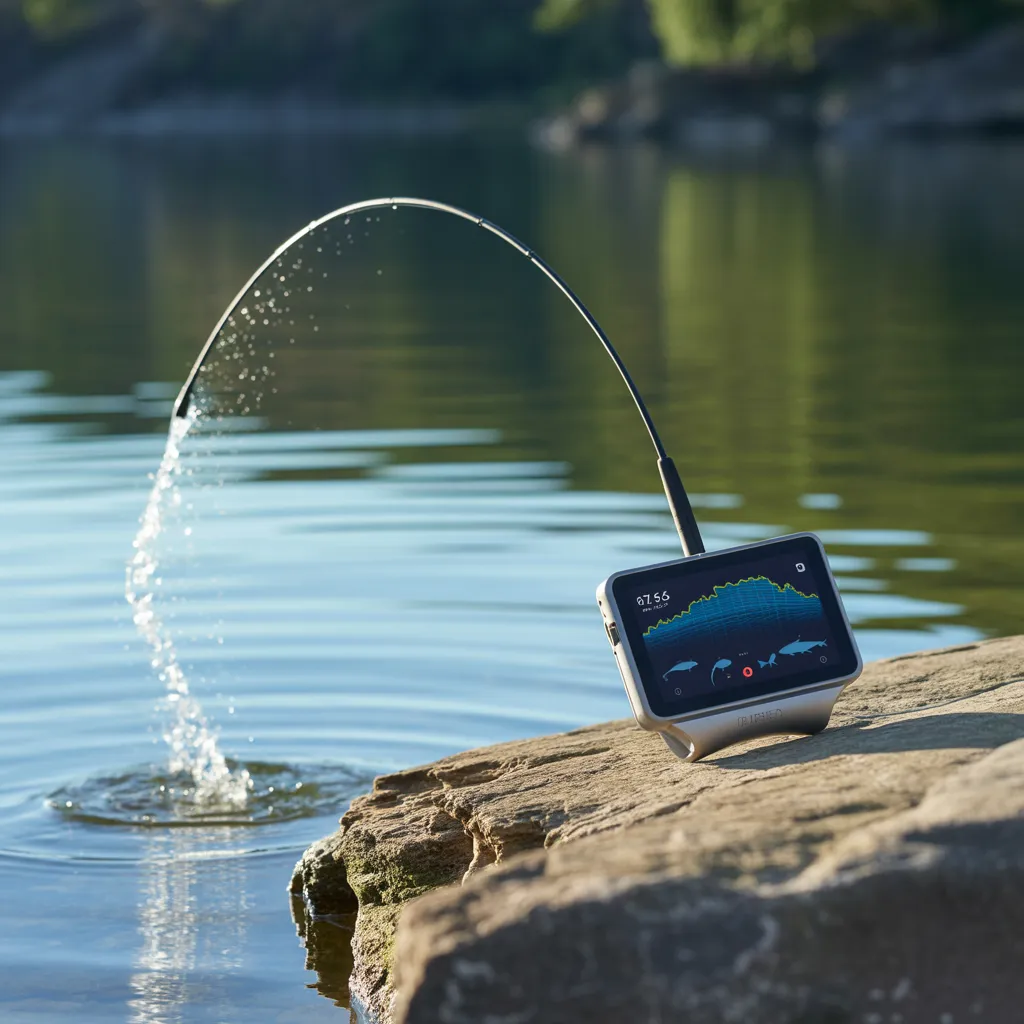
Yes, fish finders can be used in saltwater fishing. They are effective for locating fish, underwater structures, and depths, enhancing the overall fishing experience. Many models are specifically designed for the unique challenges of saltwater environments.
Budget-friendly fish finder options are available, including models from brands like Humminbird and Garmin. These devices often feature essential functionalities, ensuring that users can effectively locate fish without overspending on advanced technology.
Effective use of a fish finder requires skills in interpreting sonar data, understanding underwater topography, adjusting settings for ideal performance, and recognizing fish behavior. Additionally, patience and experience greatly enhance the user's ability to locate fish.